For Japanese


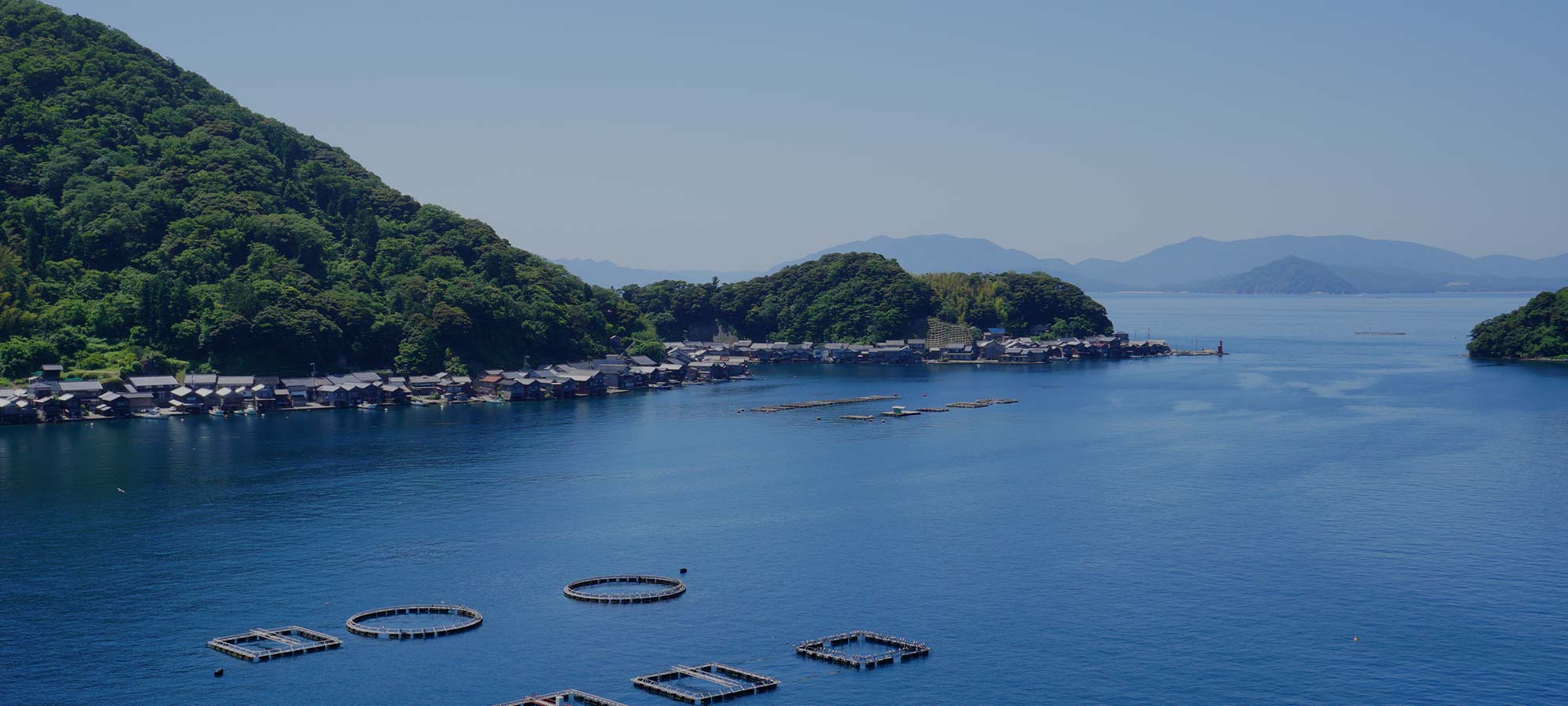

The sea is right under the house! Approximately 230 funaya stand side-by-side as if to line the coast of the Ine Bay. Among all of the towns in Japan, Ine is the closest to the sea!! Funaya are very rare buildings that have a boat shed on the bottom level on the water with a residence on the level above it. Ine's rows of funaya contain approximately 230 of these buildings. *It has been designated as an Important Preservation District for Groups of Historic Buildings.


Ine Bay was once an incredibly rich fishing ground, blessed with abundant catches of yellowtail and even whales during the Edo and Taisho periods. It is said that the prosperity of Ine's fishermen earned them the nicknames hakama ryoshi (fishermen in formal wear) and tonosama ryoshi (lord-like fishermen). Today, due to larger boats and fishing reforms, the main fishing activities—such as set-net, line, and gill-net fishing—take place outside the bay. The calm inner bay is now primarily used for aquaculture, cultivating fish and rock oysters.


As a fishing town, Ine boasts a catch of fresh, seasonal seafood all year round. The winter Ine Buri (yellowtail) and early summer rock oysters are truly exceptional local delicacies. Beyond the sea, the rich nature of Ine also provides an abundance of appealing ingredients, including Tango Koshihikari rice and Kyo-yasai (traditional Kyoto vegetables). We invite you to savor the local cuisine of Ine.
*Please note: Our inn provides accommodation only and does not serve meals.
Find Restaurants in Ine Town
> To the Ine Town Tourism Association's Restaurant Guide

While Ine may not have large, purpose-built tourist attractions, the town is filled with countless scenic spots and points of interest. The sight of the historic Funaya and the daily life of the people in this fishing village offer travelers wonderful encounters and deeply moving experiences.
For more on sightseeing, attractions, and activities in Ine:
> To the Official Website of the Ine Town Tourism Association